
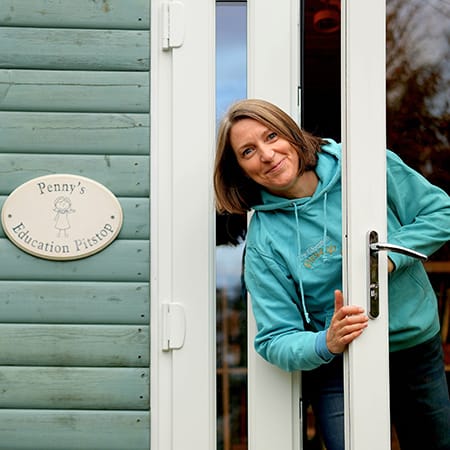
Welcome to the Education Pitstop
Dyslexia and Dyscalculia Specialist: Teacher and Assessor
Welcome to the Education Pitstop
Dyslexia and Dyscalculia Specialist: Teacher and Assessor
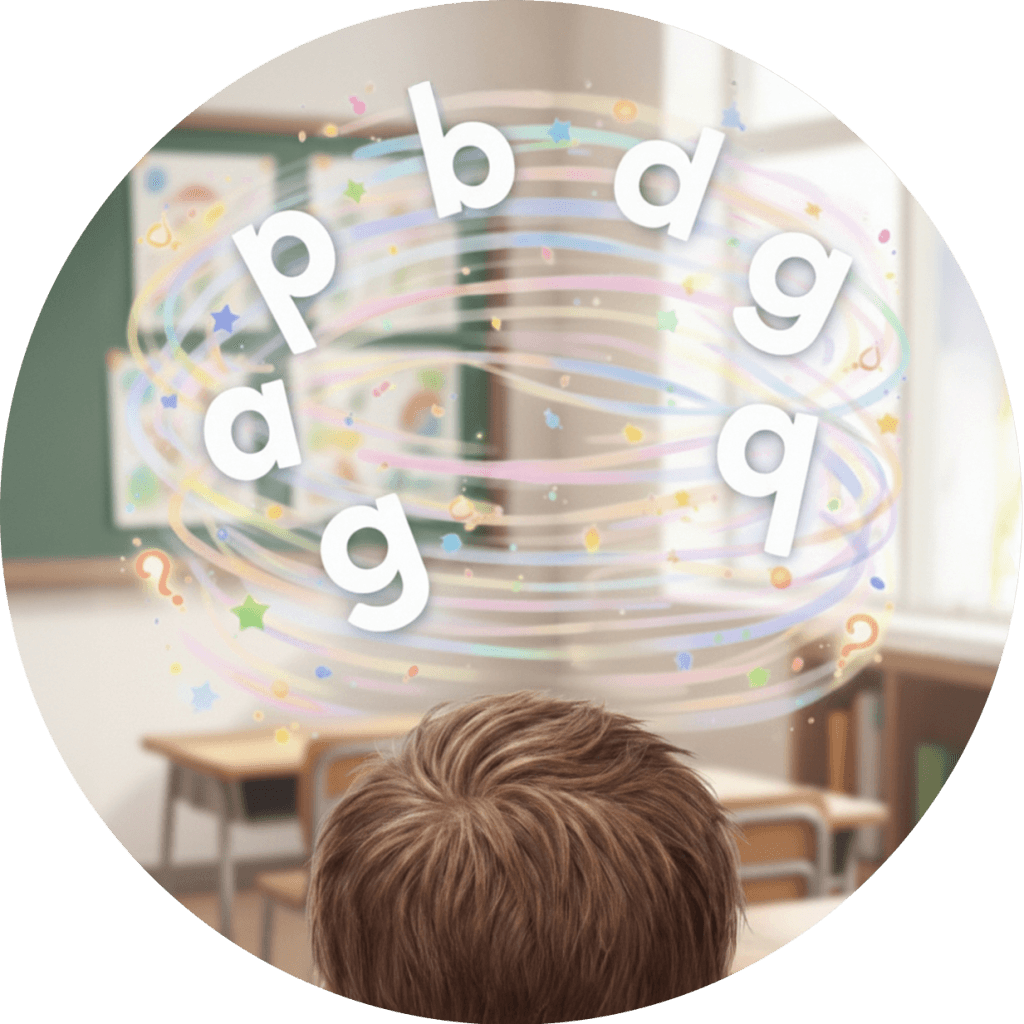
Dyslexic and dyscalculia difficulties
Everyone’s brains are wired differently; it’s what makes us unique and who we are. However, sometimes children can appear to struggle with certain things such as reading, writing and maths in a way that seems unexpected. Such difficulties can be due to dyslexia or dyscalculia, meaning that the child’s brain works in a way that makes some things more difficult than might be expected.
Dyslexia and dyscalculia can interfere with a child’s educational experience. Their ongoing struggles can begin to affect their confidence and they worry that there is something wrong with them, as other people seem to be able to do certain things far more easily than them.
Getting help for your child
Investigating a child’s strengths and weaknesses can identify why they are experiencing such difficulties. Realisation that their struggles are due to a difference in the way their brain works can bring an enormous sense of relief.
Sometimes a short assessment followed by a series of lessons can be all that is needed for the child to excel and achieve to the best of their ability. Others prefer to begin with a diagnostic assessment before providing targeted interventions. Different routes suit different children and situations.
Dyslexic and dyscalculia difficulties
Everyone’s brains are wired differently; it’s what makes us unique and who we are. However, sometimes children can appear to struggle with certain things such as reading, writing and maths in a way that seems unexpected. Such difficulties can be due to dyslexia or dyscalculia, meaning that the child’s brain works in a way that makes some things more difficult than might be expected.
Dyslexia and dyscalculia can interfere with a child’s educational experience. Their ongoing struggles can begin to affect their confidence and they worry that there is something wrong with them, as other people seem to be able to do certain things far more easily than them.
Getting help for your child
Investigating a child’s strengths and weaknesses can identify why they are experiencing such difficulties. Realisation that their struggles are due to a difference in the way their brain thinks can bring an enormous sense of relief.
Sometimes a short assessment followed by a series of lessons can be all that is needed for the child to excel and achieve to the best of their ability. Others prefer to begin with a diagnostic assessment before providing targeted interventions. Different routes suit different children and situations.
Dyslexic and dyscalculia difficulties
Getting help for your child
Everyone’s brains are wired differently; it’s what makes us unique and who we are. However, sometimes children can appear to struggle with certain things such as reading, writing and maths in a way that seems unexpected. Such difficulties can be due to dyslexia or dyscalculia, meaning that the child’s brain works in a way that makes some things more difficult than might be expected.
Dyslexia and dyscalculia can interfere with a child’s educational experience. Their ongoing struggles can begin to affect their confidence and they worry that there is something wrong with them, as other people seem to be able to do certain things far more easily than them.
Investigating a child’s strengths and weaknesses can identify why they are experiencing such difficulties. Realisation that their struggles are due to a difference in the way their brain thinks can bring an enormous sense of relief.
Sometimes a short assessment followed by a series of lessons can be all that is needed for the child to excel and achieve to the best of their ability. Others prefer to begin with a diagnostic assessment before providing targeted interventions. Different routes suit different children and situations.
Dyslexia and dyscalculia tuition
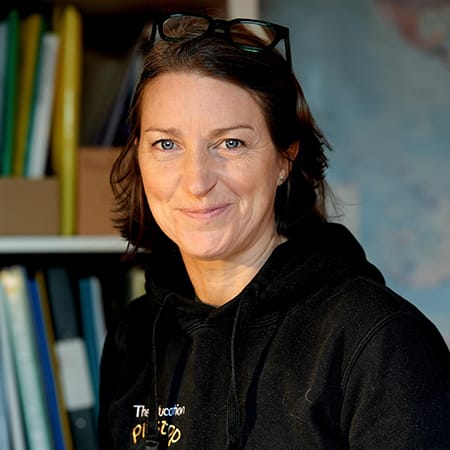
The Education Pitstop specialises in dyslexia and dyscalculia tuition and assessments. It is run by Penny Sutherland, an experienced, qualified specialist dyslexia and dyscalculia teacher and assessor.
Assessments and tuition
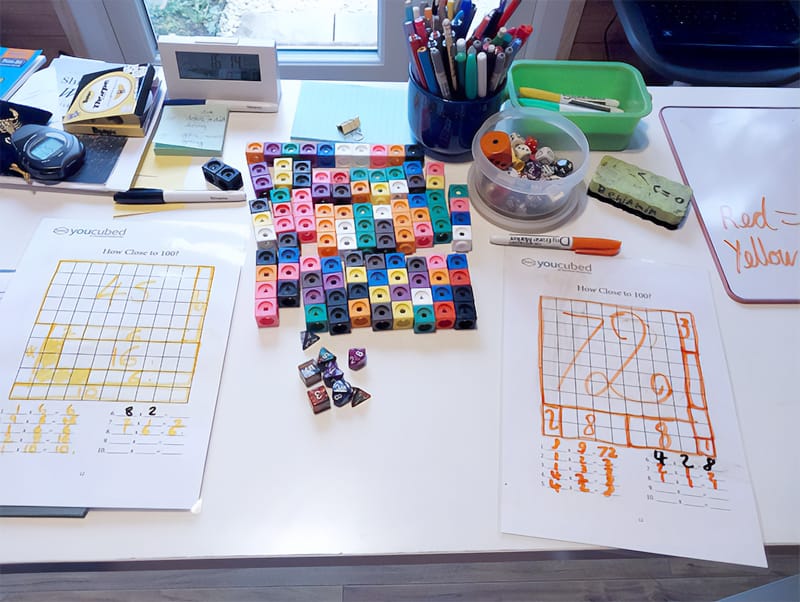
Educational assessments
These assessments can be carried out with children of any age.
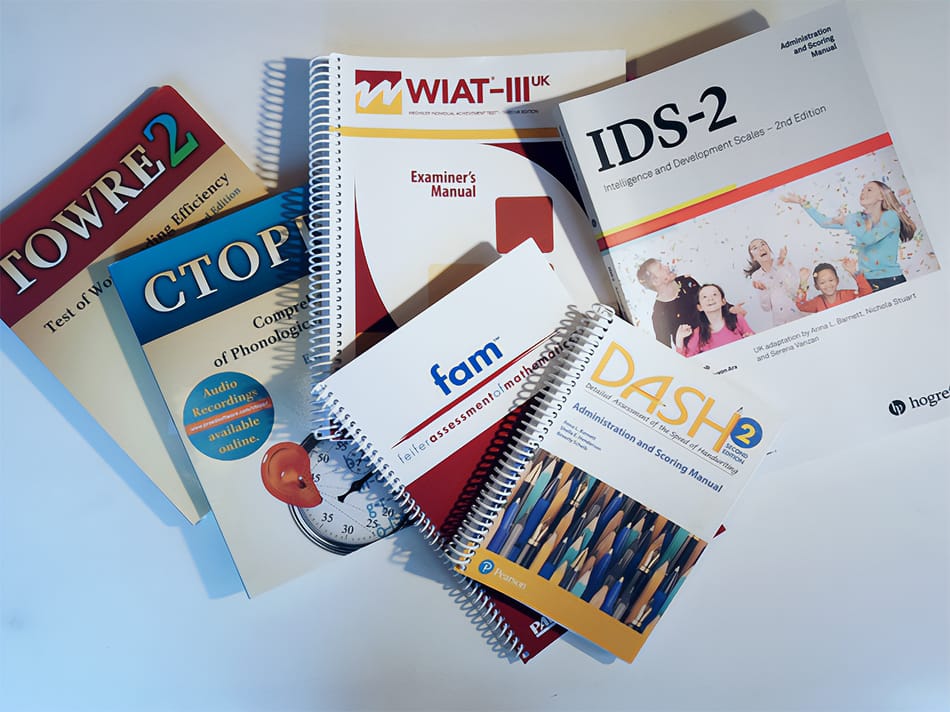
Dyslexia / dyscalculia assessments
Diagnostic assessment reports are valid for life.

Testimonials
“My daughter genuinely enjoys her weekly sessions with Penny & it is wonderful to see how much it helps her.”
“My child finds his time with Penny fun, helpful and is always eager to go each week.”
“Penny embraces his unique way of seeing the world and his high energy levels and uses these strengths to deliver engaging and effective tutoring sessions.”
“Penny has been an absolute game changer for us. Dyslexia has been a hard road to walk over the last few years.”
Give your child the confidence they need
Please get in touch to discuss your child’s situation and plan the best route for your child.