
Diagnostic dyslexia and dyscalculia assessments
Diagnostic Dyslexia and Dyscalculia Assessments can be useful as they include a full investigation into the student’s educational assessment, exploring areas such as language, reasoning, processing skills and attainment.
These assessments can be run from the age of eight and are personalised depending on the student’s needs. The report recommendations provide individualised guidance to support access arrangements, as well as things which can be implemented at home and in school.
Diagnostic dyslexia and dyscalculia assessments
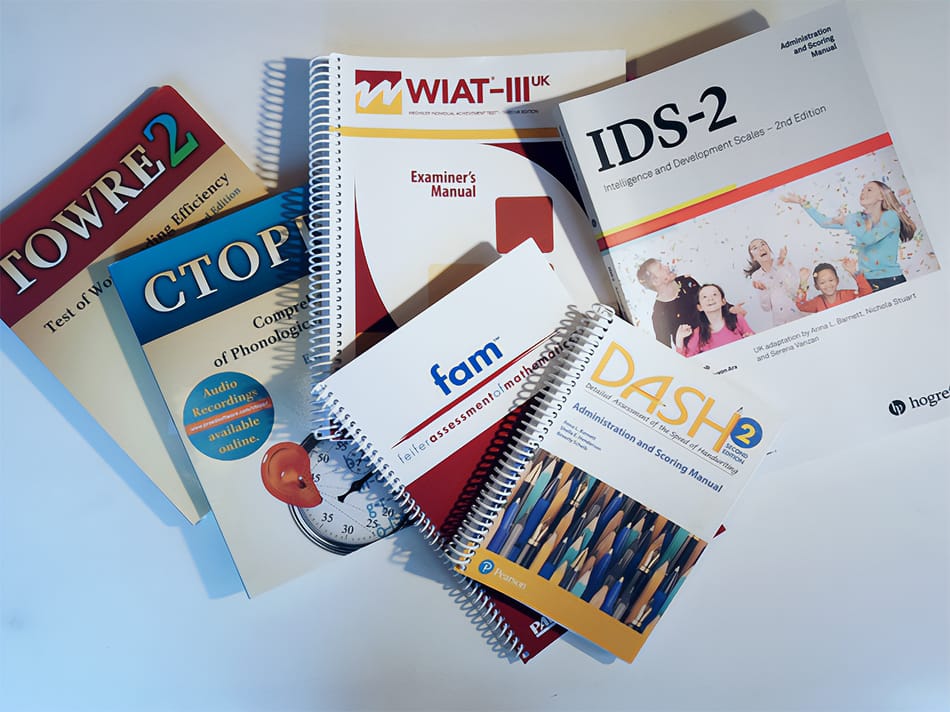
Assessment reports
Penny’s assessment reports are written in accordance with the 2025 Specific Learning Difficulties Assessment Standards Committee (SASC) guidelines, using the 2025 definitions of dyslexia and dyscalculia.
Penny holds an Assessment Practising Certificate (APC), a form of certification that authorises qualified assessors in the UK to carry out formally recognised diagnostic assessments for Specific Learning Difficulties (SpLDs) which are officially accepted for JCQ (examination access arrangements), Higher Education, and DSA (Disabled Students’ Allowance) evidence.
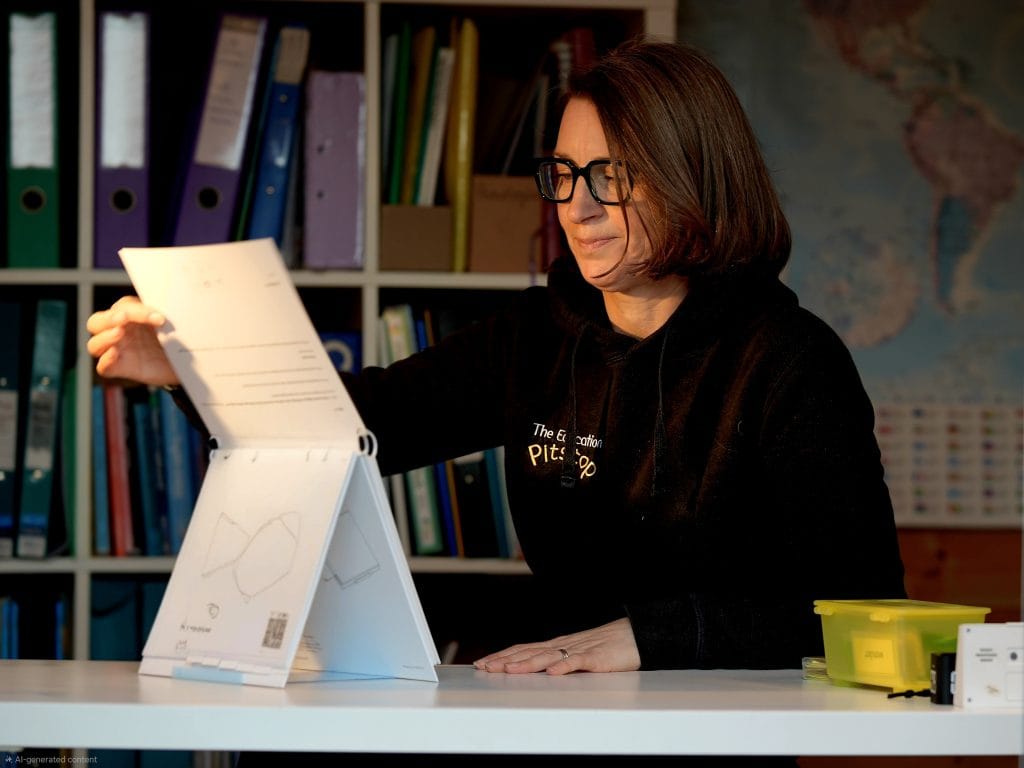
Diagnostic assessments
Diagnostic assessment reports are valid for life. If the assessor has a current APC, the reports can also be used as evidence for Disabled Students’ Allowance (DSA) and Exam Access Arrangements.
Dyslexia and Dyscalculia assessments follow the new 2025 SASC guidance format set by the SpLD Assessment Standards Committee (SASC) and are written in line with the new 2025 definitions of dyslexia and dyscalculia.
Dyslexia and Dyscalculia assessment testing sessions take around four hours to complete, depending on the student; this can be split into multiple sessions, if required. An assessment covering both dyslexia and dyscalculia would typically involve around five hours of testing. A minimum age for these assessments is eight years old.
Dyslexia or dyscalculia assessment
£550
Dual dyslexia and dyscalculia assessment
£825
Educational assessment
Educational assessments are very useful in gathering information about students who are struggling in school and where interventions do not seem to be helping. A range of different strengths and weaknesses are identified in such an assessment so that good quality and well-targeted intervention can then take place.
This kind of assessment can be carried out as soon as difficulties are experienced, even if the child is younger than eight years old. An Educational Assessment takes two hours and is often split into two one-hour sessions, dependent on the child.
An assessment of this kind is usually required before a student attends lessons at The Education Pitstop. This means that when the child attends their first lesson, they can access the correct support and there can be immediate progress.
These assessments differ to diagnostic assessments and they do not provide a diagnosis.
Educational assessment with verbal feedback
£180
Educational assessment with written summary
£240