
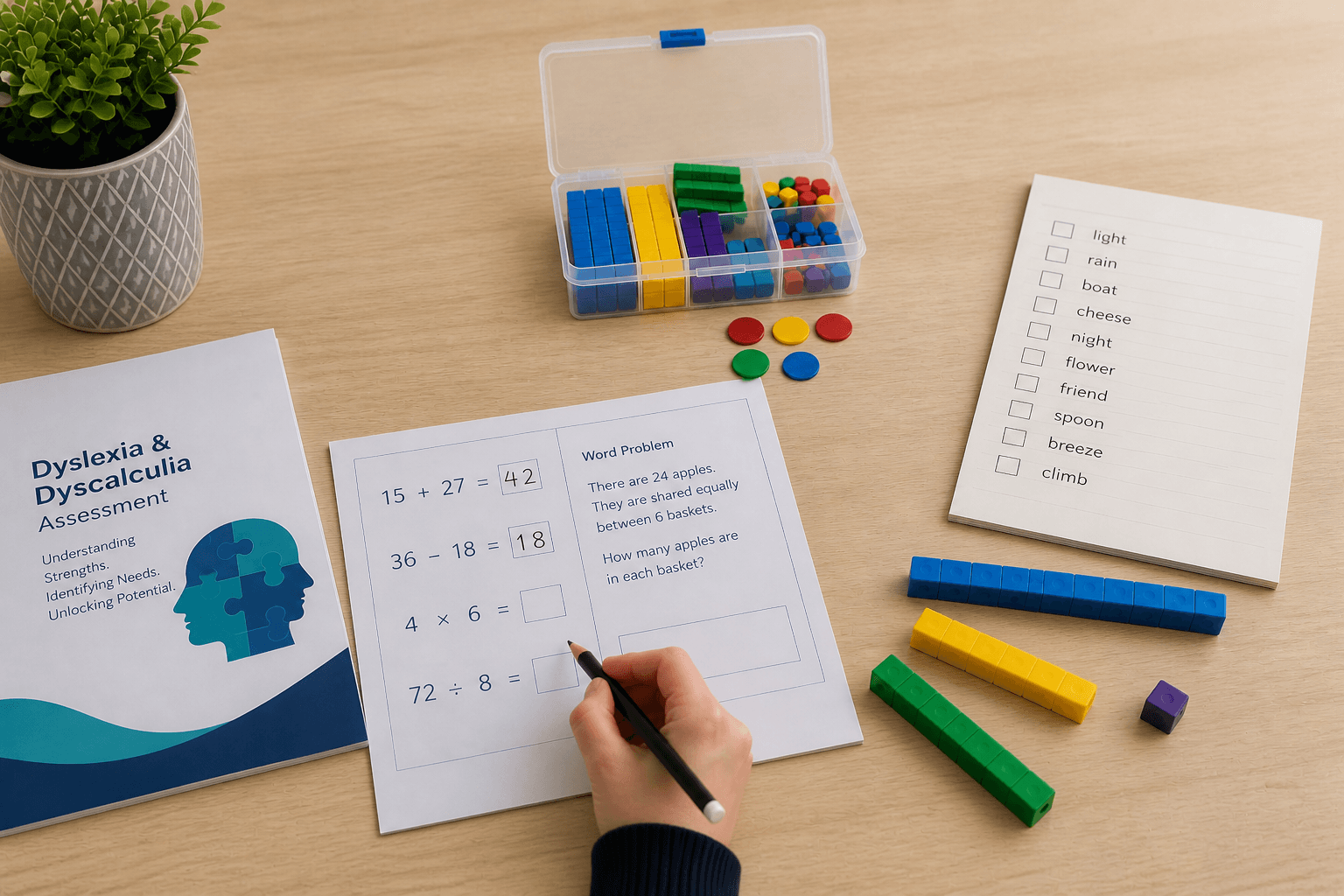
Understanding learning difficulties for students in Loughborough and Northwest Leicestershire.
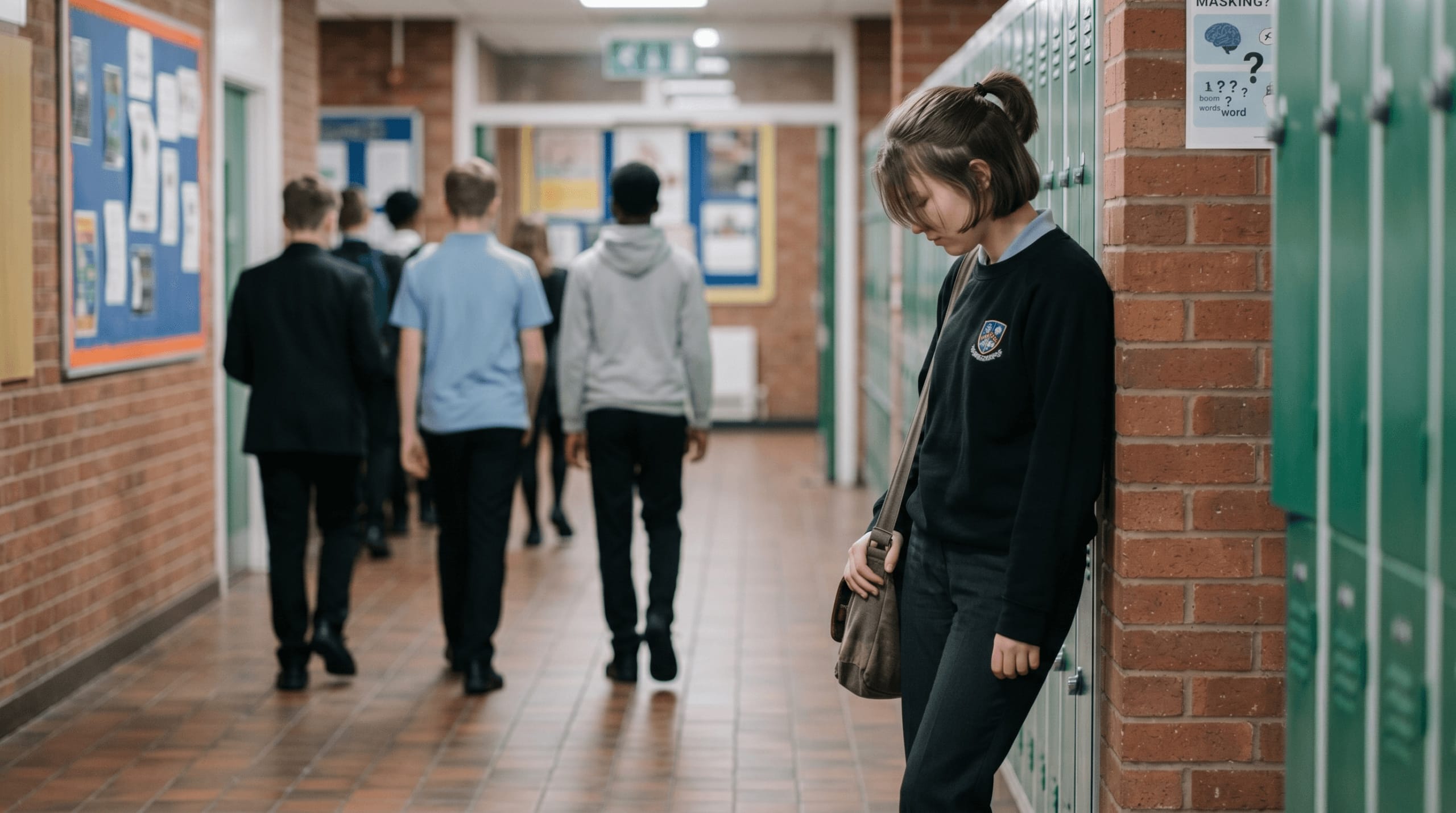
Supporting teenagers with dyslexia and dyscalculia can be especially challenging. By the time they reach secondary school, many students become incredibly efficient at masking their difficulties. Because they don’t want to appear “different” to their peers, they develop inventive, often exhausting ways to hide their struggles, which points to signs of dyslexia in teenagers.
In my extensive experience working with secondary pupils across local schools—including Iveshead School (Shepshed), East Leake Academy, Castle Donington College, Hollygirt School (Nottingham), and Rawlins Academy (Quorn), I have seen a wide variation of strategies students adopt to disguise their learning gaps.
Identifying the Signs of Dyslexia in Teenagers
It is remarkable how teenagers deflect attention away from academic hurdles. If you are searching for the signs of dyslexia in teenagers, you might notice these specific masking behaviours:
- Avoidance techniques: Frequently asking to leave the room or “forgetting” essential equipment like calculators or pens to avoid specific tasks.
- Invisibility: Keeping their head down and avoiding eye contact to stay “under the radar.” They often wait for cues from those around them rather than asking for help.
- Using contextual cues: Mirroring the behaviour of peers or waiting and watching before responding. These are clever strategies used to hide confusion, especially regarding complex instructions.
- Deflection: Using humour or sharp wit to steer conversations away from their difficulties. Being the “class clown” is often a brilliant distraction from a task they find impossible.
- Reliance on friends: Some students may avoid school if a specific friend is absent or if a seating plan changes. While peer support is helpful, an over-reliance on copying can cause learning to stall.
- Vague Writing: Students may limit their vocabulary to words they know they can spell. This makes their writing seem simple or uninspired, despite them having complex ideas and strong verbal intelligence.
- Withdrawal: Producing very little work or struggling to get pen to paper. These students are often unfairly described as “lazy,” when the reality is they are completely overwhelmed.
How Dyslexia and Dyscalculia Affect Secondary Education
At the secondary level, the curriculum becomes significantly more abstract and fast-paced. For a teen with undiagnosed dyscalculia, the introduction of complex algebra or data handling can be the “breaking point” where masking no longer works.
Similarly, the heavy reading load in subjects like History or English Literature can make the signs of dyslexia in teenagers much more prominent. While a student might have managed in primary school through sheer effort, the volume of text in Key Stage 3 and GCSEs often causes their coping mechanisms to buckle. You may notice your teen spending hours on homework that should take thirty minutes, or conversely, giving up entirely because the “mountain” feels too high to climb.
The Emotional Impact of Masking
It is important to recognise that masking is exhausting. Teenagers who spend all day trying to “act normal” and hide their struggles often return home mentally and emotionally drained. This can lead to:
- School Refusal: Anxiety about being “found out” or failing in front of peers.
- Low Self-Esteem: Internalising their struggles as a lack of intelligence rather than a processing difference.
- Mood Swings: Frustration that boils over at home after a long day of “holding it together” at school.
Recognising the signs of dyslexia in teenagers early can prevent this emotional burnout and help them understand that their brain simply processes information differently.
Why Professional Support is Vital
By the time a student reaches Key Stage 3, they are often masters of these strategies. Their true difficulties can go unnoticed by both parents and teachers because their coping mechanisms are so well-tuned. However, if a child is avoiding certain academic situations, there is usually a significant reason lurking underneath.
A formal dyslexia or dyscalculia assessment isn’t just about a label; it’s about discovering a student’s unique strengths and the precise nature of their challenges. Through a private dyslexia assessment, a teenager can finally understand how their brain works, allowing them to rebuild their confidence and reach their full potential.
Are you concerned about your teenager?
If you are looking for a dyslexia assessment in Loughborough, Shepshed, Castle Donington, East Leake, or any of the surrounding Northwest Leicestershire villages, I am here to help.
Contact me today to book a friendly, confidential chat about a dyslexia or dyscalculia assessment for your child.